
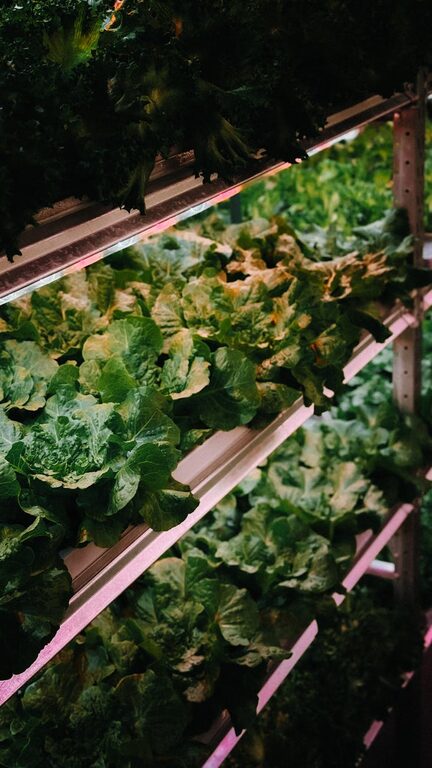
Creating a sustainable home garden is a rewarding way to connect with nature, reduce waste, and enjoy fresh, home-grown produce throughout the entire year. Whether you’re a beginner or an experienced gardener, adopting sustainable practices benefits both your garden and the environment.
In this post, we’ll explore practical tips to help you create and maintain a sustainable garden all year round. From choosing the right plants to managing resources responsibly, these ideas will support your green-thumb efforts and promote a thriving ecosystem.
Why Choose a Sustainable Garden?
Sustainability in gardening means working with nature rather than against it. It involves methods that conserve water, reduce chemical use, encourage biodiversity, and maintain healthy soil. By making your garden sustainable, you contribute to cleaner air, protect wildlife, and create a more resilient growing environment.
Planning Your Sustainable Garden
Choose Indigenous and Climate-Friendly Plants
Selecting plants that are native to your region or well-adapted to your local climate helps reduce the need for excessive watering, fertilisers, and pest control. Native plants support local wildlife, including pollinators like bees and butterflies, making your garden a lively, balanced habitat.
Design for Year-Round Interest
To enjoy your garden throughout the seasons, plan a mix of plants that flower, fruit, or provide greenery at different times of the year. Consider planting perennials alongside annuals and incorporating herbs, shrubs, and fruit trees that thrive locally.
Sustainable Gardening Practices
Composting: Turn Waste into Nutrients
Composting kitchen scraps, garden clippings, and fallen leaves creates rich, natural fertiliser that improves soil health. Avoid synthetic chemicals by feeding plants with homemade compost, reducing waste sent to landfill.
Use Mulch to Retain Moisture and Suppress Weeds
Covering soil with organic mulch such as bark chips, straw, or leaf mould helps retain moisture, regulate soil temperature, and prevent weed growth. Mulching reduces the need for frequent watering and decreases reliance on herbicides.
Collect and Conserve Water
Implement rainwater harvesting by setting up barrels or containers to collect runoff from gutters. Using rainwater for irrigation saves tap water and provides plants with soft water that’s free from chemicals.
Practice Crop Rotation and Companion Planting
To maintain healthy soil and reduce pest problems, rotate crops annually and use companion planting methods. For example, planting marigolds near tomatoes can deter pests naturally, while legumes enrich soil nitrogen, benefitting other plants.
Encourage Beneficial Wildlife
Invite helpful insects like ladybirds, lacewings, and solitary bees by incorporating insect-friendly plants and providing shelter. Avoid pesticides to protect these natural allies which control pests without harming your garden.
Seasonal Care Tips
Spring
– Prepare beds by adding compost and breaking up soil clumps.
– Start seedlings indoors or sow hardy crops like peas and spinach.
– Prune early-flowering shrubs after blooming.
Summer
– Water deeply but less frequently to encourage strong roots.
– Harvest fruits and vegetables regularly to promote production.
– Monitor for pests and treat naturally if needed.
Autumn
– Plant bulbs for spring blooms.
– Clear dead plants but leave some stems and leaves for wildlife shelter.
– Add mulch to protect soil over winter.
Winter
– Plan next year’s garden layout.
– Prune dormant trees and shrubs.
– Protect tender plants with cloches or fleece during frost.
Tools and Materials for Sustainable Gardening
– Use hand tools instead of power equipment when possible to reduce carbon emissions.
– Choose garden gloves and pots made from recycled or biodegradable materials.
– Repurpose household items as plant supports or containers to minimise waste.
Benefits of a Sustainable Home Garden
– Saves money on groceries and garden supplies.
– Creates a safe haven for wildlife.
– Reduces environmental impact.
– Provides fresh, healthy food.
– Offers relaxation and satisfaction all year round.
Final Thoughts
Creating a sustainable home garden takes thought and care, but the results are well worth the effort. By planning carefully, using resources wisely, and encouraging natural processes, you’ll enjoy a thriving garden that supports the environment and brings joy every season.
Start small, learn from experience, and gradually expand your garden’s sustainability features. With time, your green space will become a beautiful, productive, and eco-friendly sanctuary you can be proud of. Happy gardening!